
Collaborative AI for Modern Advisers

Make portfolios the way you want, welcome to Versa.

Builder

Build structured proposals without the formatting overhead

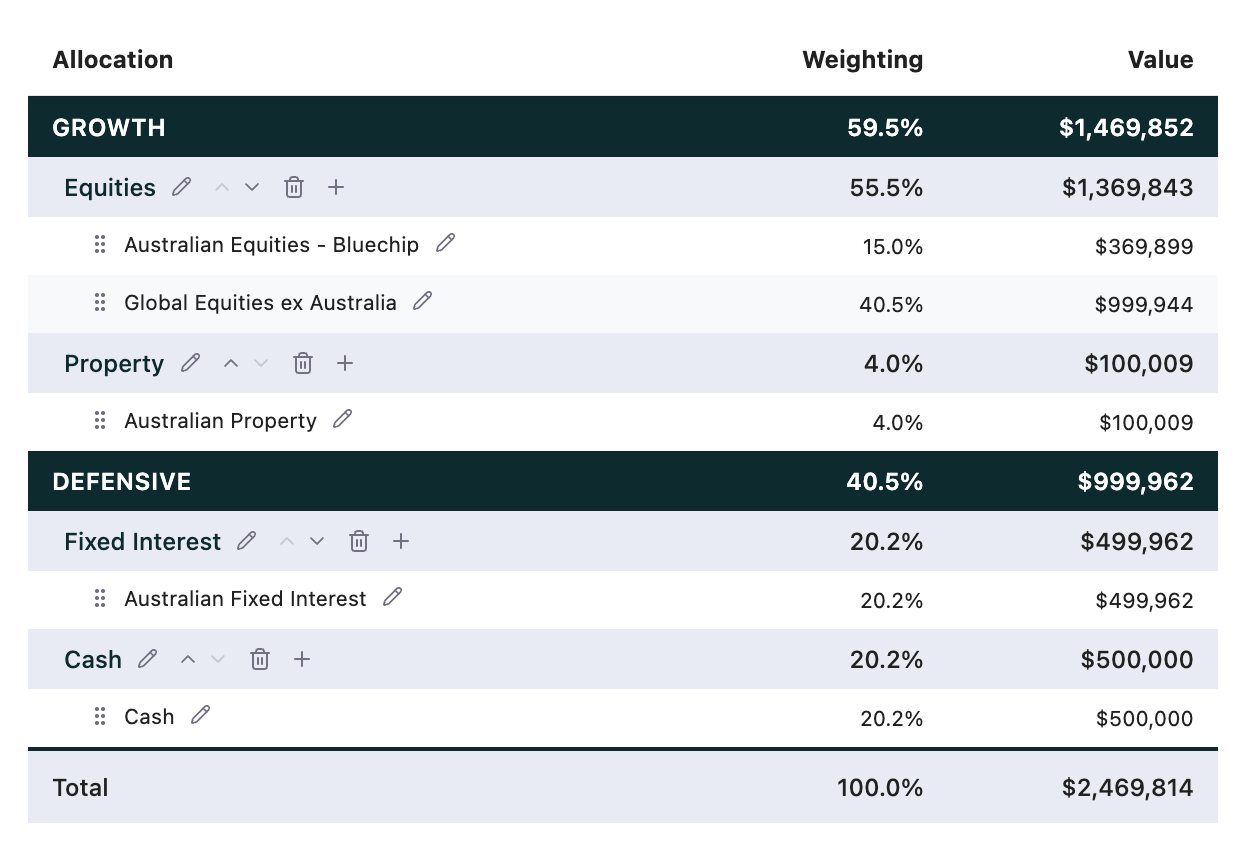
Capture client details, risk profile, asset classes, sectors, and individual holdings in one structured workspace. Every field feeds the calculations automatically.
AI DRAFT

A draft assistant that follows your brief and waits for your review

AI Draft reads your client's goals, constraints, and risk profile and generates a structured portfolio outline. You review every line before anything is applied.

PDF EXPORT

Proposals that look as rigorous as they are

Optimize reveals render spikes, dead branches, wasted cycles, and slow paths, helping your team ship faster, smoother, and with absolute confidence.

Products

From client brief to boardroom-ready proposal in one session

Testimonials

Teams that ship smarter choose Nerdstack

“Our product team finally speaks the same language as engineering. Nerdstack gives us clear, human explanations for even the most complex modules.”

customets image 1
Daniel Romero
Co-Founder and CEO

“Nerdstack cut our onboarding time for new developers by more than half. Understanding legacy code went from days to minutes.”

jacek
Jacek Rosiński
CTO

“We pushed a big refactor through with zero stress. The AI reviews and explanations made our entire workflow cleaner and faster.”

author testimonial
Maya Fischer
Head of Engineering

“Our product team finally speaks the same language as engineering. Nerdstack gives us clear, human explanations for even the most complex modules.”

customets image 1
Daniel Romero
Co-Founder and CEO

“Nerdstack cut our onboarding time for new developers by more than half. Understanding legacy code went from days to minutes.”

jacek
Jacek Rosiński
CTO

“We pushed a big refactor through with zero stress. The AI reviews and explanations made our entire workflow cleaner and faster.”

author testimonial
Maya Fischer
Head of Engineering

“Our product team finally speaks the same language as engineering. Nerdstack gives us clear, human explanations for even the most complex modules.”

customets image 1
Daniel Romero
Co-Founder and CEO

“Nerdstack cut our onboarding time for new developers by more than half. Understanding legacy code went from days to minutes.”

jacek
Jacek Rosiński
CTO

“We pushed a big refactor through with zero stress. The AI reviews and explanations made our entire workflow cleaner and faster.”

author testimonial
Maya Fischer
Head of Engineering

“Debugging used to be the bottleneck. Now Nerdstack flags issues, shows causes, and even suggests patches we can merge instantly.”

alejandro
Alejandro Vargas
Engineering Lead

“Debugging used to be the bottleneck. Now Nerdstack flags issues, shows causes, and even suggests patches we can merge instantly.”

jessica
Jessica Mercedes
Head of Engineering

“Nerdstack cut our onboarding time for new developers by more than half. Understanding legacy code went from days to minutes.”

customets image
Daniel Romero
Co-Founder and CEO

“Debugging used to be the bottleneck. Now Nerdstack flags issues, shows causes, and even suggests patches we can merge instantly.”

alejandro
Alejandro Vargas
Engineering Lead

“Debugging used to be the bottleneck. Now Nerdstack flags issues, shows causes, and even suggests patches we can merge instantly.”

jessica
Jessica Mercedes
Head of Engineering

“Nerdstack cut our onboarding time for new developers by more than half. Understanding legacy code went from days to minutes.”

customets image
Daniel Romero
Co-Founder and CEO

“Debugging used to be the bottleneck. Now Nerdstack flags issues, shows causes, and even suggests patches we can merge instantly.”

alejandro
Alejandro Vargas
Engineering Lead

“Debugging used to be the bottleneck. Now Nerdstack flags issues, shows causes, and even suggests patches we can merge instantly.”

jessica
Jessica Mercedes
Head of Engineering

“Nerdstack cut our onboarding time for new developers by more than half. Understanding legacy code went from days to minutes.”

customets image
Daniel Romero
Co-Founder and CEO

Turn technical chaos into predictable clarity

Tracks every proposal from first draft through adviser sign-off to client delivery.

All key proposal metrics recalculate in real time as holdings change.

Surfaces issues before the PDF is generated so the export is clean first time.

Blog & NEws

Short reads that sharpen your engineering instincts

No items found.
No items found.
No items found.
No items found.
No items found.
No items found.

FAQ'S

Why Versa?

Versa was built for advisers who want more control over how a proposed portfolio is constructed, grouped, explained and presented to clients. Many portfolio tools are excellent at data, modelling, analytics and platform workflows, but they often guide advisers into pre-set asset classes, pre-defined sectors, model portfolio structures or system-driven reporting formats.

Versa gives advisers a more flexible way to build a proposed portfolio around the way they actually explain advice. You can add different asset classes, investment types, sector groupings, prices, target prices, yields, commentary and other editable fields, then present the portfolio in a format that makes sense for the client conversation.

I already use common industry portfolio construction tools. Why should I consider Versa?

Traditional tools often focus on research databases, platform administration, rebalancing, risk analytics or integrated reporting. For example, Iress Xplan Portfolio positions itself around end-to-end portfolio management with real-time data, platform transaction updates, broker connectivity and reporting.

How is Versa different from a model portfolio or platform-based portfolio tool?

Model portfolio tools are often built to standardise implementation, streamline rebalancing and manage clients through a platform. BT Adviser Portfolios, for example, focuses on creating model portfolios through BT Panorama, generating rebalance orders, seeking client consent and using automated rebalance instructions.

Can I create my own asset classes and categories?

Yes. This is one of the main reasons Versa exists. Many existing tools rely on fixed asset class structures or predefined sector classifications, which can be helpful for standardised reporting but limiting when an adviser wants to explain a portfolio differently.

Versa allows advisers to create and organise portfolio content around their own framework. That means you can group assets by strategy, theme, sector, risk role, income profile, growth exposure, defensive exposure or any other structure that suits the advice conversation.

Can Versa handle investments outside standard listed equities and managed funds?Versa is designed to be flexible enough for a wide range of investment types. This matters because many adviser portfolios are not neatly explained by a narrow list of asset classes or product types.

For example, an adviser might want to include listed equities, ETFs, managed funds, alternatives, private investments, cash, income strategies, property-related exposures or bespoke investment ideas in the same proposal. Instead of being restricted by a fixed product taxonomy, Versa lets the adviser control how those investments are described and displayed.

Is Versa connected to market data feeds like IRESS, Morningstar or Bloomberg?

Versa’s advantage is not that it forces every portfolio through a market-data provider. Tools such as Iress, Morningstar and Bloomberg are valuable where advisers need real-time data, research coverage, risk models, performance attribution or institutional analytics (Iress, Morningstar, Bloomberg).  

Versa is better suited to advisers who want the freedom to input, edit and present the portfolio information that matters to their advice process. That can include prices, target prices, yields, sector labels, descriptions, notes and other client-facing fields that may not fit neatly into a standard data-feed structure.

Why would I want manual or editable portfolio fields?

Editable fields give advisers control over the client narrative. In a proposal, the important question is not always “what does the database say?” It is often “how do we want to explain this recommendation to the client?”

Versa lets advisers refine the portfolio presentation with the information they consider most relevant. That might include investment rationale, target price assumptions, yield expectations, sector exposure, portfolio role, risk notes or client-specific commentary.

Does Versa replace research and risk analytics tools?

No. Versa is best understood as a flexible proposed portfolio construction and presentation tool. Advisers may still use research platforms, risk tools, investment committees, data providers and compliance processes to support the advice.

Where Versa adds value is in turning that thinking into a clear, customisable, client-ready portfolio proposal. It gives advisers a practical way to structure and display the recommendation without being boxed into a third-party system’s default categories.

Is Versa useful if my firm already has approved product lists or model portfolios?

Yes. Approved product lists and model portfolios can still form the basis of the adviser’s recommendation. Versa helps advisers present those recommendations more clearly and flexibly.

For example, an adviser could start with an approved portfolio, then tailor how it is grouped, labelled and explained for a specific client. This is useful when the adviser wants the client to understand not just what they are investing in, but why each part of the portfolio is there.

Can Versa help advisers explain portfolio strategy to clients?

Yes. A proposed portfolio is not just a list of holdings. It is a communication tool.

Versa helps advisers explain how the portfolio is structured, what each investment contributes, how exposures are grouped and what the overall recommendation is trying to achieve. This can make the client conversation more visual, more transparent and easier to follow.

Who is Versa best suited for?

Versa is best suited for advisers who want more control over proposed portfolio construction and client-facing presentation. It is particularly useful for advisers who build portfolios across multiple asset classes, use customised sector or strategy groupings, include non-standard investment types, or want to show more detail than a typical platform-generated report allows.

It is also well suited to advice teams that want a modern, flexible and practical tool for preparing portfolio proposals without needing every recommendation to be constrained by a pre-set reporting template.

What problem does Versa solve in the adviser workflow?

Versa solves the gap between investment thinking and client presentation. Advisers may have strong portfolio ideas, detailed assumptions and clear recommendations, but existing tools can make it difficult to present that thinking in a flexible way.

Versa gives advisers a workspace to build the proposed portfolio, customise the structure, edit the details and present the recommendation in a way that aligns with their advice process.

Can Versa support income-focused portfolios?

Yes. Because Versa allows advisers to include fields such as yield, price, target price and other investment-level details, it can be useful for income-focused portfolio proposals.

This is especially helpful when an adviser wants to show how different investments contribute to expected income, diversification, sector exposure or portfolio objectives. Instead of presenting a generic allocation, the adviser can show the detail behind the income strategy.

Can Versa support growth, defensive, thematic or bespoke portfolios?

Yes. Versa can support different portfolio styles because the adviser controls the structure. A portfolio could be grouped by growth and defensive assets, by income and capital growth, by sector, by investment theme, by risk category or by another framework.

This flexibility is important because different clients understand portfolios in different ways. Versa allows the adviser to shape the proposal around the client conversation, not the other way around.

What makes Versa more flexible than traditional proposal tools?

The key difference is customisation. Many traditional tools are powerful, but their strength often comes from standardisation, data integration and predefined workflows. Iress highlights features such as real-time data, automated transaction updates, broker connectivity and comprehensive reporting. Bloomberg PORT highlights institutional-grade risk models, attribution, data validation, scenario analysis and automated reporting workflows.

Versa focuses on giving advisers control over how the proposed portfolio is built and shown. That makes it useful when the adviser needs a clean, modern and highly editable proposal tool rather than a system that dictates the structure of the portfolio.

What should I use Versa for first?

A good first use case is building a proposed client portfolio where the standard reporting format does not tell the full story. Add the investments, organise them into the categories you want, include the fields that matter, and use the proposal to support a clearer client discussion.

Versa is especially valuable when you need to explain a portfolio that includes multiple asset classes, customised sector groupings, target prices, yields or investment-specific commentary. In those situations, flexibility is not a nice-to-have; it is what makes the recommendation easier to understand.

Lets be honest, we've moved past building portfolios on excel.